Deciphering Certification Protocols for Random Number Generators in Global Cross-Border Gaming Networks
Written by Anna Walter · Sep 12, 2026
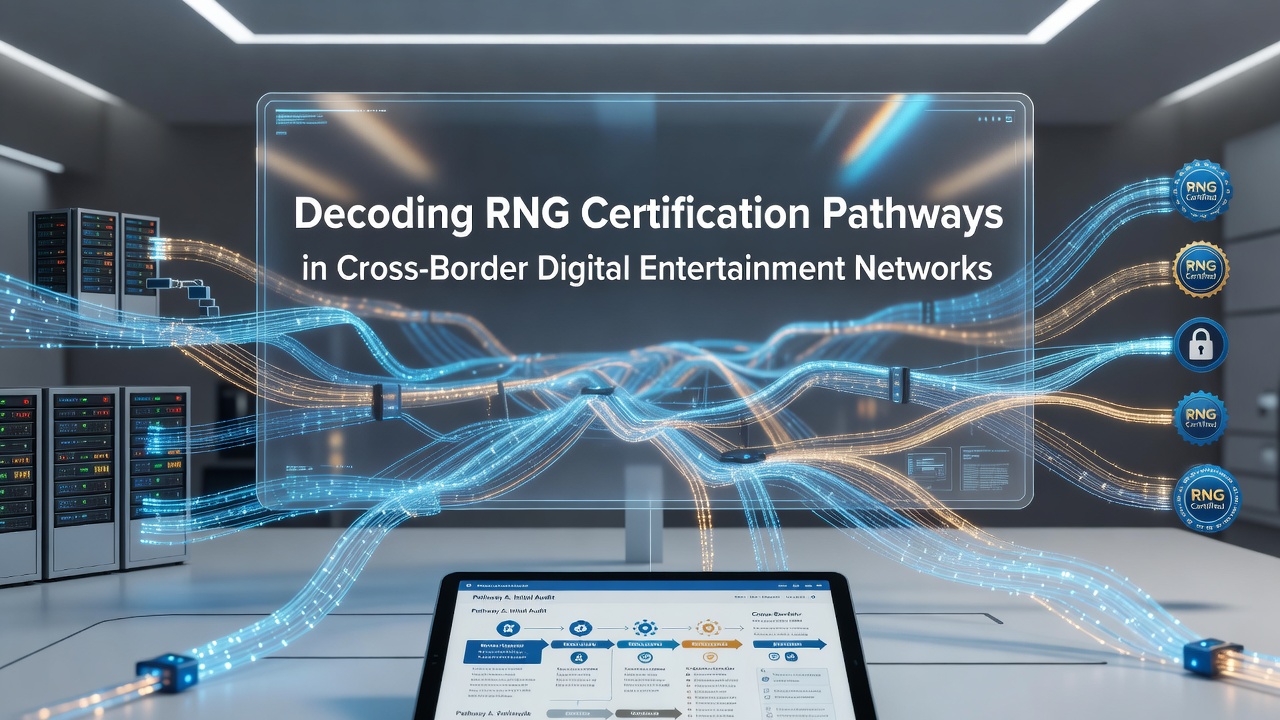
Deciphering Certification Protocols for Random Number Generators in Global Cross-Border Gaming Networks
Random number generator certification forms the backbone of fair play standards in digital entertainment platforms that operate across multiple jurisdictions, and those who track these systems note how labs and regulators coordinate testing requirements to maintain consistency even when operators expand into new markets. Data from industry testing facilities shows that RNG modules undergo statistical analysis for uniformity, independence, and unpredictability before any approval gets granted, while cross-border networks add layers because each regulator may impose its own audit frequency and documentation thresholds.
Core Testing Standards Applied Across Regions
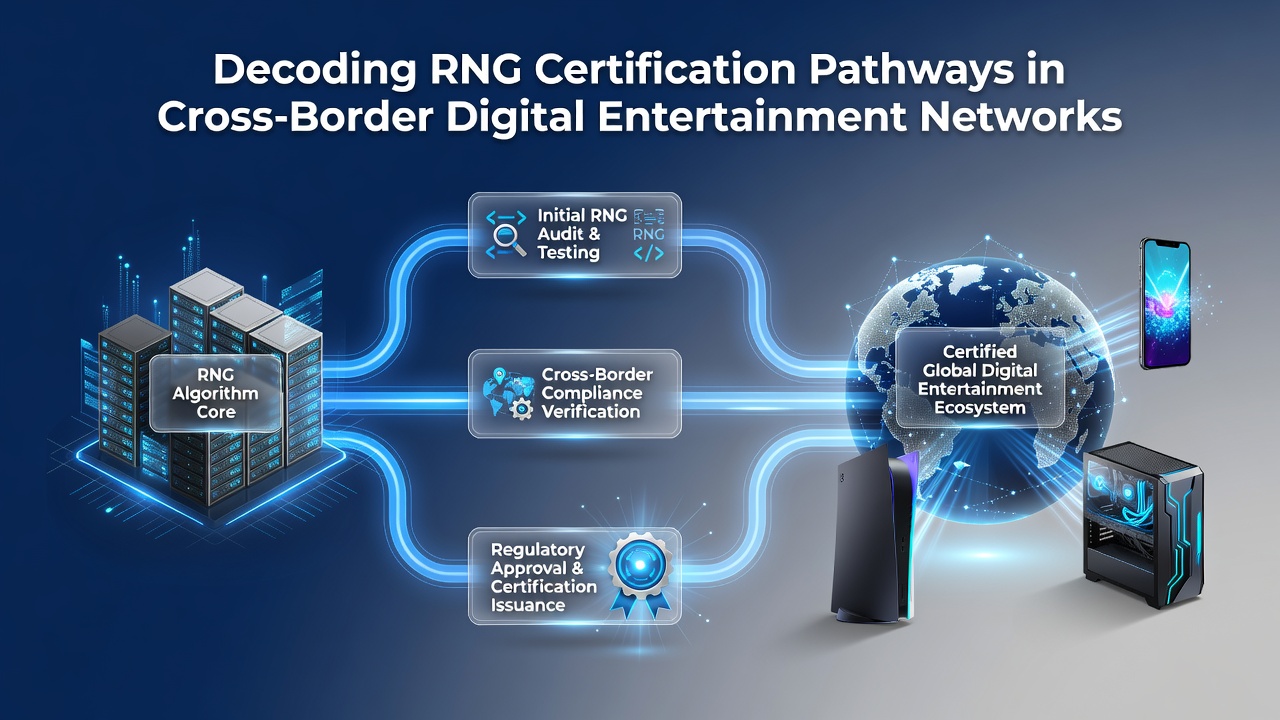
Certification pathways typically begin with submission of source code and hardware specifications to accredited laboratories, where examiners run millions of sequences through batteries of tests drawn from standards such as NIST SP 800-22 and ISO/IEC 19790. Observers note that once a lab validates compliance, the resulting report travels to the relevant licensing authority, which then decides whether to accept the findings or require additional jurisdiction-specific checks. In September 2026 several regulators updated their acceptance lists to include newer cryptographic modules, reflecting advances in quantum-resistant algorithms that some platforms had already begun integrating into their backend systems.
Regional Variations in Approval Timelines
North American and European authorities often demand periodic re-certification every twelve to twenty-four months, whereas certain Asian-Pacific bodies tie renewal cycles to license duration rather than fixed calendar intervals. Those who manage multi-jurisdiction portfolios frequently discover that a single RNG solution may need parallel submissions because one regulator accepts reports from any ISO 17025-accredited lab while another maintains its own approved tester roster. Figures from aggregator platforms indicate that average turnaround times range from four weeks for straightforward software RNGs to twelve weeks when hardware security modules or live dealer interfaces enter the evaluation scope.
Role of Independent Laboratories and Mutual Recognition
Independent laboratories such as those recognized under the International Association of Gaming Regulators serve as neutral arbiters, and their test reports carry weight when regulators participate in mutual recognition arrangements. Data shows that jurisdictions sharing common technical baselines reduce duplication because an operator can reference one lab report across multiple applications instead of commissioning separate evaluations. Yet differences persist in areas such as entropy source validation and post-processing algorithm scrutiny, prompting some providers to maintain region-specific RNG variants that still share core mathematical foundations.
Impact on Platform Architecture and Compliance Costs
Platform operators structure their systems so that RNG outputs feed directly into game logic without intermediate manipulation, and certification documentation must map every data flow from seed generation through result delivery to the player interface. Research indicates that compliance expenditures for RNG certification constitute a measurable portion of total technical budgets, especially when networks span five or more regulatory domains. Those who coordinate submissions across borders often consolidate evidence packages into master files that satisfy overlapping requirements while isolating unique local mandates into appendices.
Emerging Technical Considerations in 2026
Recent protocol updates have begun addressing blockchain-based random number sources and distributed ledger verification methods, and September 2026 saw the first pilot programs where selected regulators accepted cryptographic proofs generated on public networks alongside traditional laboratory attestations. Evidence from early deployments suggests these hybrid approaches can shorten audit cycles when immutable transaction logs provide verifiable audit trails. At the same time, concerns around side-channel leakage and secure element integration continue to drive refinements in the physical security portions of certification checklists.
Conclusion
Certification pathways for RNG components in cross-border digital entertainment networks remain anchored in laboratory testing, regulatory review, and periodic renewal, yet the landscape evolves as new jurisdictions adopt digital gaming frameworks and as technical standards incorporate advanced cryptographic techniques. Operators and laboratories coordinate documentation across borders to minimize redundancy while still meeting each authority's distinct criteria, and ongoing updates through 2026 demonstrate continued alignment between statistical validation methods and emerging platform architectures.